Android vs. iOS for Gaming
The dichotomy between Android and iOS defines the mobile gaming landscape. iOS provides a highly unified hardware target, meaning developers can optimize games perfectly for Apple Silicon, resulting in consistent, high-fidelity performance across recent devices.
Conversely, Android offers immense freedom. It supports extensive cataloging via custom launchers, sideloading for official beta tests, and a vast array of hardware choices—from budget devices to dedicated "gaming phones" with active cooling fans and ultrasonic shoulder triggers.

Peripheral Integration
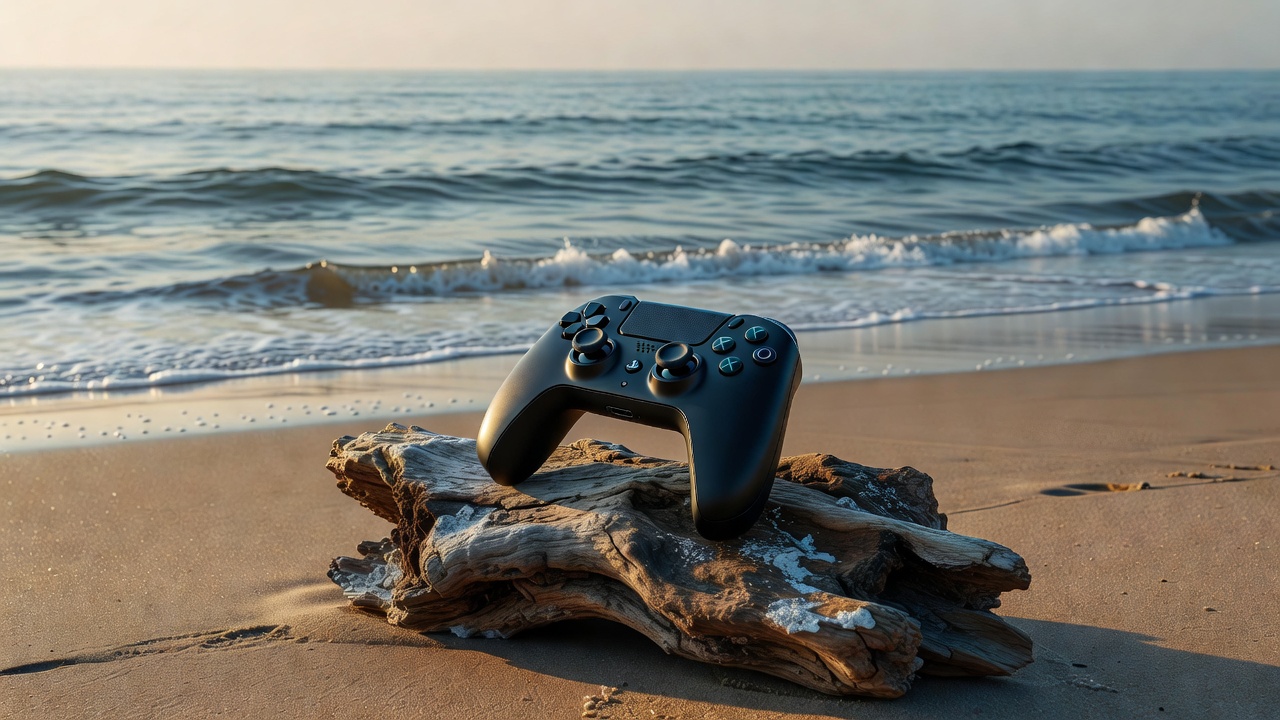
Touch controls have evolved, but physical feedback remains supreme. Both major mobile OS platforms now feature native, plug-and-play support for Xbox, PlayStation, and generic Bluetooth controllers.
Additionally, telescopic controllers that clamp around the smartphone have surged in popularity, effectively turning any modern smartphone into a Nintendo Switch-style console. We explore how games tag themselves in catalogs to indicate full or partial controller support.
Cloud Gaming on Mobile
The next wave of mobile platforms isn't hardware—it's the cloud. Services like Xbox Cloud Gaming, GeForce NOW, and others bypass local hardware limitations entirely by streaming rendering data directly to your device.
This paradigm shift places unprecedented importance on network stability over GPU power. It also complicates app cataloging, as cloud libraries exist outside the traditional App Store or Google Play ecosystems, often requiring dedicated WebApp launchers.